
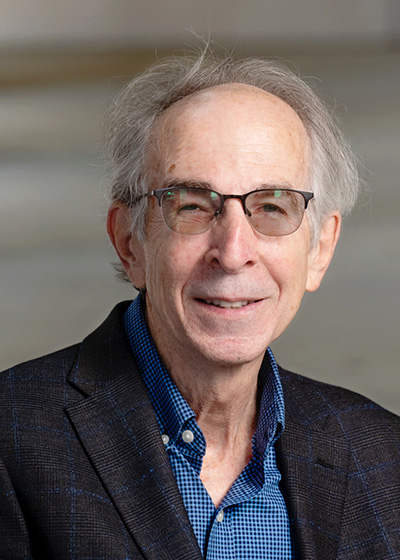
Dr. Daniel Rothbart
Director
Dr. Rothbart is the Druscilla French Chair in Conflict Analysis and Resolution at the Carter School. He specializes in prevention of mass violence, ethnic conflicts, power and conflict, the ethics of conflict resolution, civilians in war and the psycho-politics of conflict. He currently serves as co-director of the Program on Prevention of Mass Violence.
Dr. Rothbart has authored or edited 10 books, received his Ph.D. in philosophy from Washington University, St. Louis, and began his academic career in the department of philosophy at GMU.
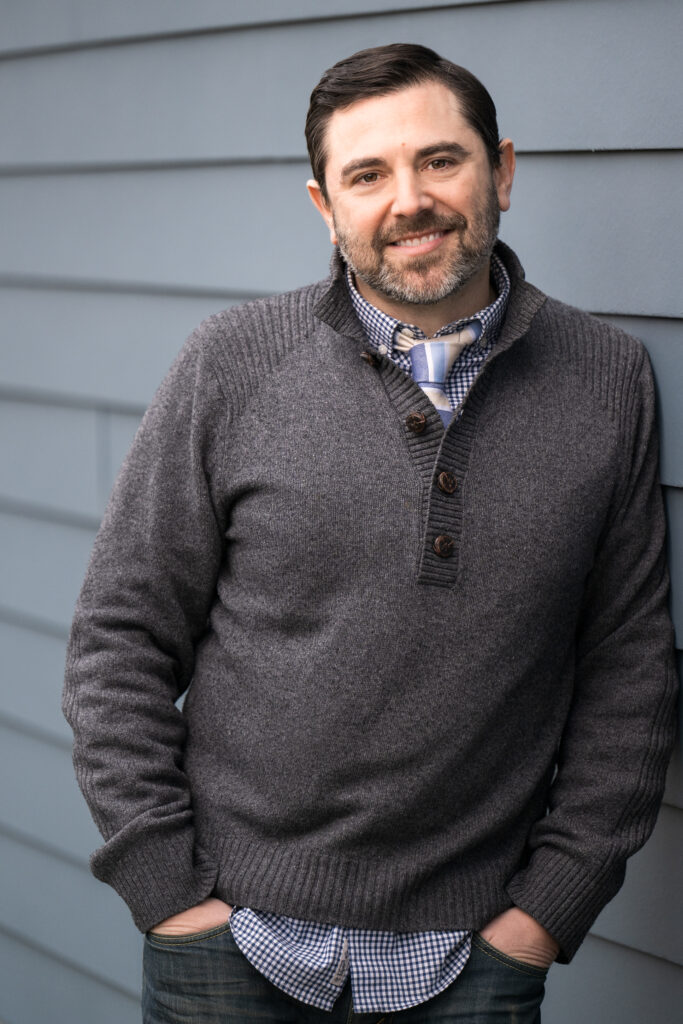
Randy Lioz
Manager
Randy is a master’s student and adjunct professor at the Carter School, and has been working to address political polarization since 2017, serving in various roles at Braver Angels, and through his consulting firm, DOC: Depolarizing Organizational Cultures. He has regularly led workshops for regional and national audiences, in addition to spreading the depolarization message through interviews, speeches, writing, and podcast appearances.
Randy has a bachelor’s in economics from Duke University, and an MBA from the University of Michigan.
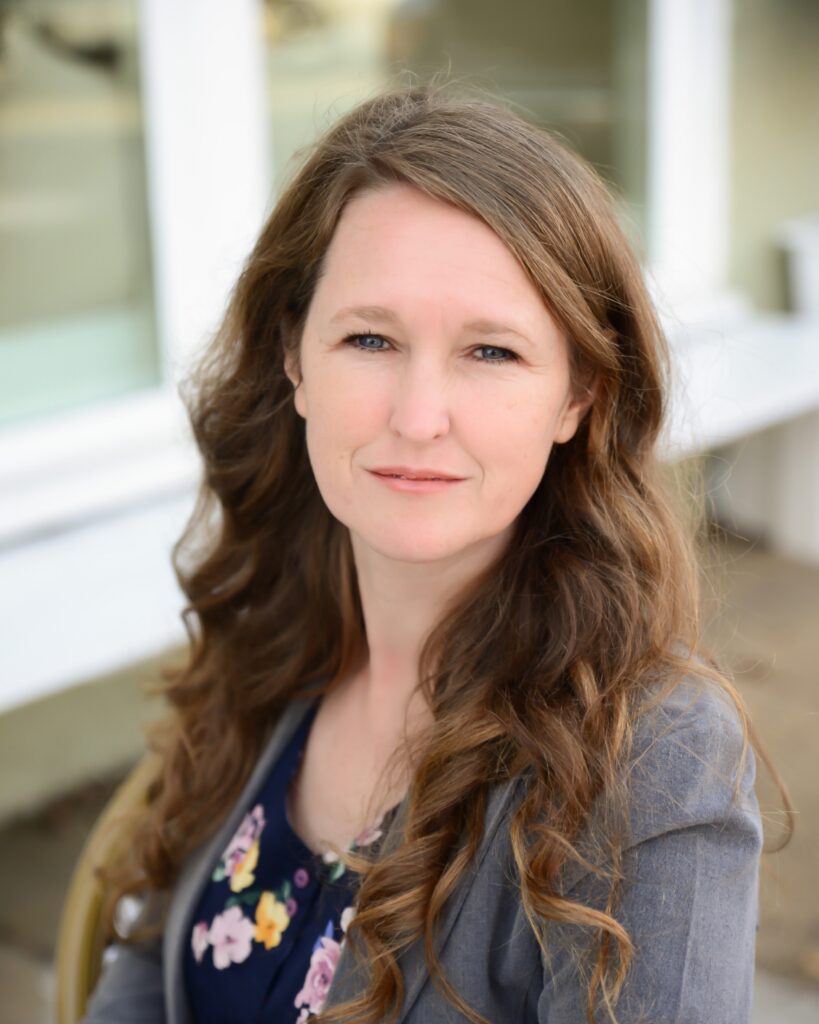
Mary Amy Tanner
Program Coordinator, DeLTA
Mary Tanner is a master’s student at the Carter School for Peace and Conflict Resolution. She has a BA in International Law and Diplomacy and an MSc in Education and Training. Mary is passionate about building trust, managing conflict, and helping others find common ground.
Mary also directs one of the programs at the National Institute for Civil Discourse. This organization brings civility and bipartisanship to Congress and promotes the nation’s capacity to engage in differences constructively. Mary has studied and worked in the UK, Israel/Palestine, and Denmark.
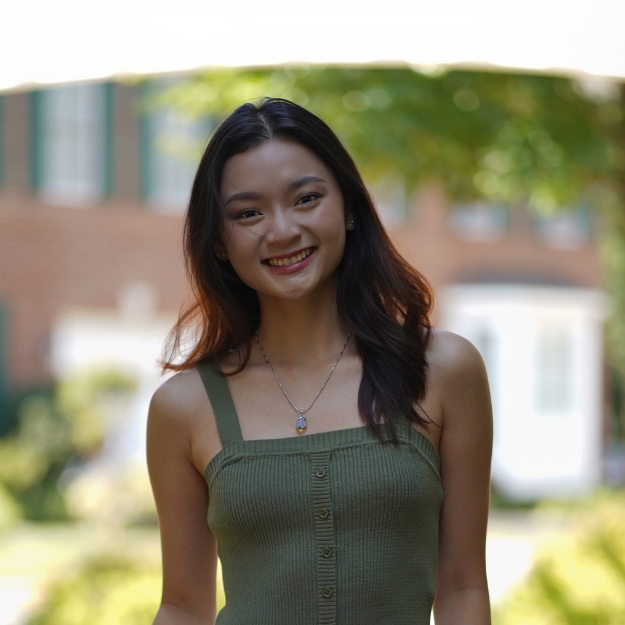
Madison Vuong
Media and Graphics Associate
Madison Vuong is an undergraduate student at the Carter School with a concentration in Building Peace in Divided Societies, set to graduate in Spring 2026. She was a Peacebuilding Fellow ’25 and enrolled in George Mason University’s Peace Corps Prep Program. She is currently also interning at DC Peace Team, a D.C. nonprofit focused on nonviolent peacemaking and resistance.
With an interest in politics and youth education, Madison has interned for the U.S. House of Representatives and held several youth leadership positions in her community. She hopes to work in the nonprofit space after graduation.

Yenting Lin
Intern
Yenting Lin is a master’s student in public policy at George Mason University. He holds a BA and BS from National Chung Cheng University in Taiwan. His research interests include national security, hybrid warfare, digital repression, misinformation, and U.S.–Taiwan–China relations. He has previously worked with the Center for Innovative Research on Aging Society, a university think tank in Taiwan, and as a research intern at the National Health Insurance Administration in Taipei, Taiwan.
Yenting is also a member of the army reserve in Taiwan. In addition to his academic work, his writing has appeared in journals and outlets such as Small Wars Journal, American Intelligence Journal, The Defence Horizon Journal, Asia Times, and the University of Nottingham’s Taiwan Research Hub.

Chase Daley
Intern
Chase Daley is a student at the Carter School, pursuing a bachelor’s degree in Conflict Analysis and Resolution with a concentration in Interpersonal Dynamics. His passion for peacemaking emerged in his late 20s, motivating him to return to school to build a career on this newfound skill.
Having personally experienced online radicalization in his youth, he gained a unique understanding of how polarization forms. Chase’s long-term goal is to work with individuals seeking practical spiritual and mental solutions to overcome fear and dread. He believes that addressing internal conflict is essential for creating lasting change and peace in the world.

Emily Williams
Member
Emily Williams holds a Bachelor’s degree in Psychology from the University of New England and is currently pursuing a master’s degree from George Mason University’s Carter School for Peace and Conflict Resolution. Emily’s research background is in social psychology with a strong focus on topics related to intergroup dynamics and diversity, equity, and inclusion.
She also works for Mindbridge, the nation’s leading non-profit using brain and behavioral science to empower human rights defenders. When Emily has a break from academics and work, she’s an avid world traveler who enjoys photography, painting, and reading!
Mathieu Bere
Member
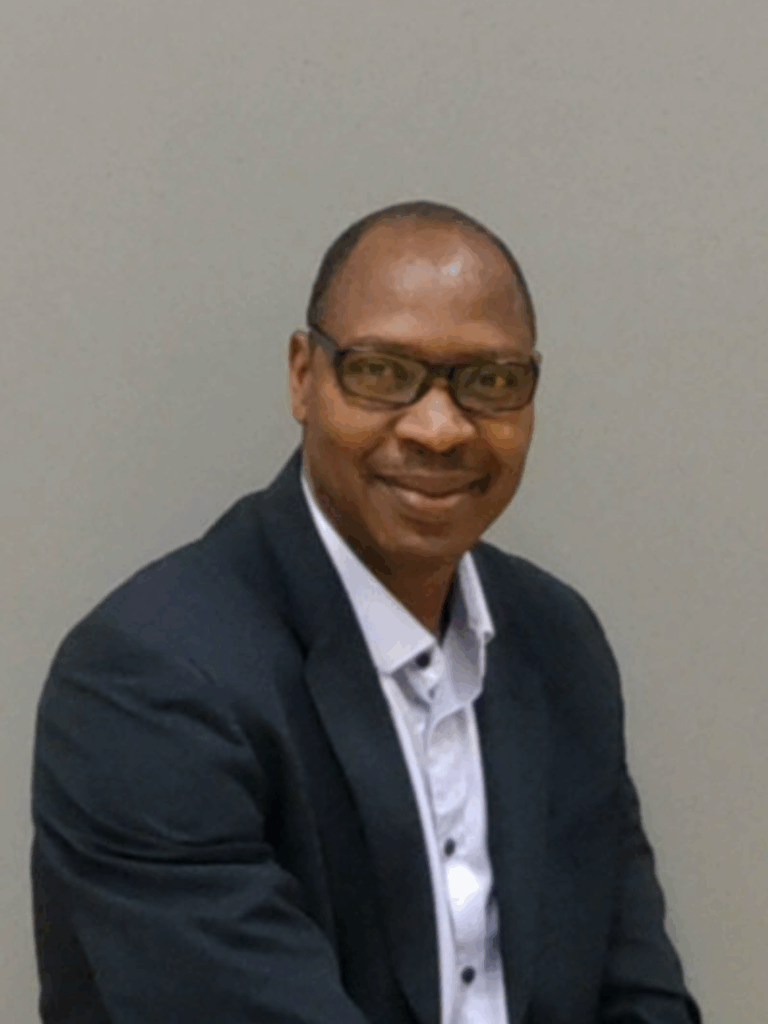
Dr. Mathieu Bere is an alumnus and faculty affiliate at the Carter School for Peace & Conflict Resolution (George Mason University). He recently contributed to the Sudan Conflict Observatory Project as a Conflict Monitoring and Analysis specialist. His research focuses on conflict prevention, countering violent extremism, security, and peacebuilding based with regional concentration on sub-Saharan Africa. He looks at security challenges from different lenses: human rights, inclusive governance and development, and finally, Great Power competition.
He has published several research products in English and French, including peer-reviewed articles and a book in on violent extremism in the Sahel. He co-founded with alumni of US cultural exchange programs a small non-profit, the Center for Peace and Security Research in the Sahel, in 2022 to contribute to sustainable peace and reconciliation in that troubled part of the world.

Megan Price
Member
Dr. Megan Price is the Founder and Director of the Center for Applied Insight Conflict Resolution (CAICR). She holds her PhD in Conflict Analysis and Resolution from George Mason University and her Masters in Reconciliation Studies from Trinity College Dublin. Her work focuses on designing reliable, context-based conflict communication skill sets and attending curricula for professionals in fields that face conflict regularly, including law enforcement, corrections, violence interruption, law and mediation, and others. Her specialized courses are grounded in the foundations of conflict decision-making and leverage strategic curiosity to generate the understanding and trust necessary for de-escalation, escalation prevention and sustainable problem solving. Dr. Price’s research focuses on conflict decision-making, the role of curiosity in conflict resolution, and with PiVoT the role of curiosity as well as certainty in polarization and depolarization. She serves on the board and develops curricula for Insight Collaboration Institute, the hub of method and innovation for the Insight approach to conflict analysis and resolution. She lives in Washington, DC, where she was raised, with her husband and two children.
Olivia Jacobson
Member
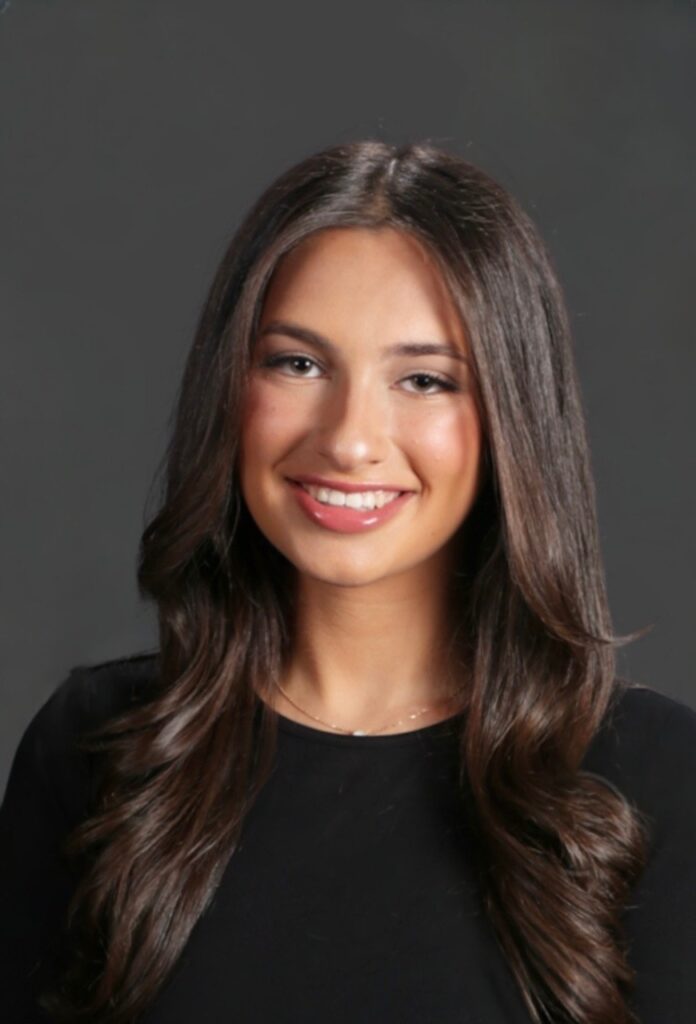
Olivia Jacobson is a senior at Roslyn High School in Roslyn, NY. She has participated in her school’s Social Science Research Program for four years. For the past two years, she has conducted her current study, The Impact of Political Party Affiliation Strength and Party Alignment on Perceptions of Bipartisan Candidates, which examines public attitudes toward bipartisanship. Olivia is passionate about bridging the nation’s political divide.
Beyond her research, Olivia has interned with her local Town Councilmember and Gotham Government Relations, allowing her to gain hands-on experience in politics. She plans to continue researching political behavior as a government/political science major in college next year.